Feeds:
Posts
Comments

Archive for the ‘Uncategorized’ Category

The mayoral candidates took their road show to the Crossroads District Friday evening, and the setting — a part of Kansas City that has been thriving for a decade or more — energized the discussion.

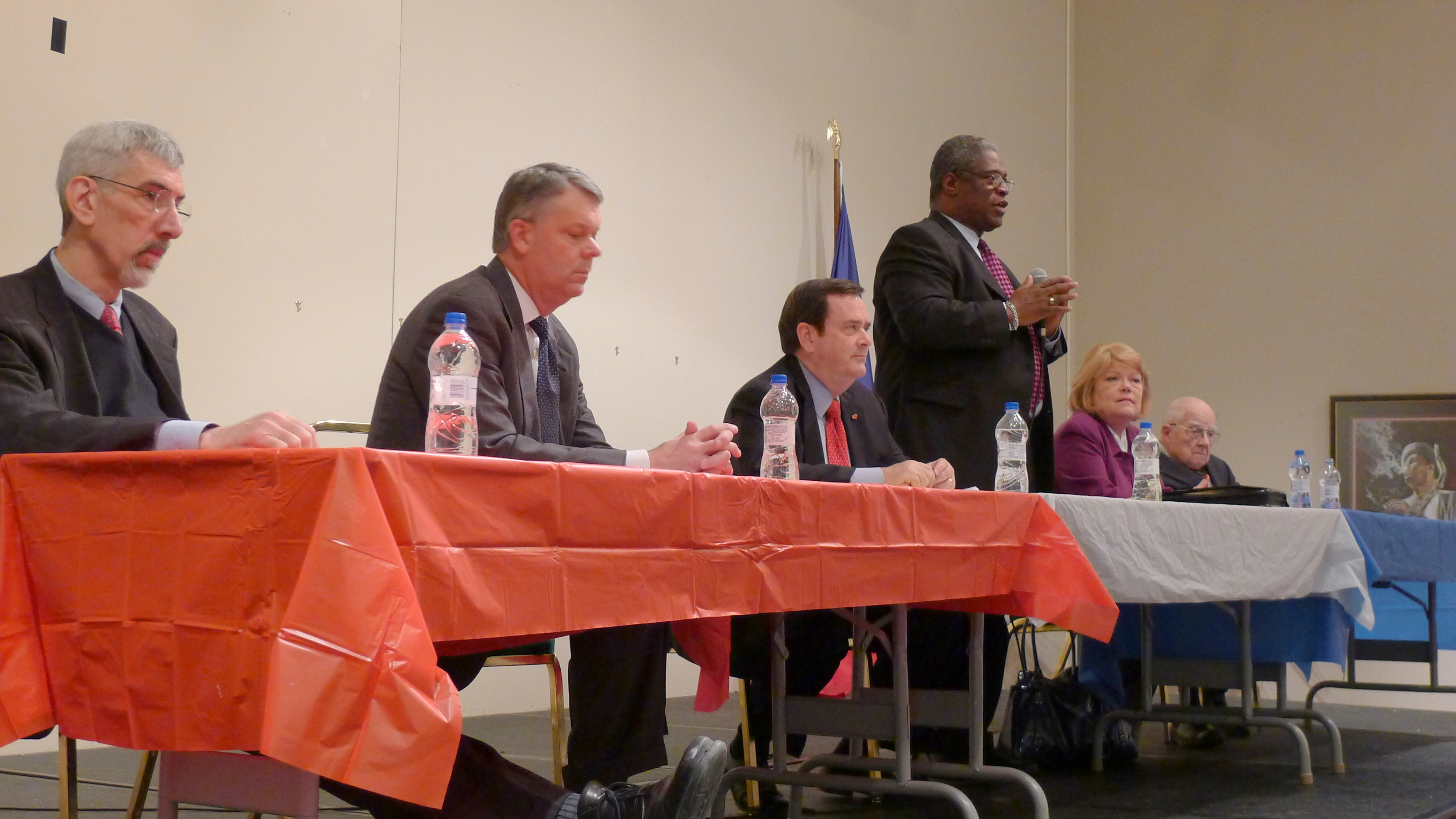
It was interesting to see the approach that five main candidates — Mike Burke, Sly James, Deb Hermann, Mayor Mark Funkhouser and Jim Rowland — took with the crowd of about 75, who gathered on the second floor of a two-story building at 122 Southwest Blvd.
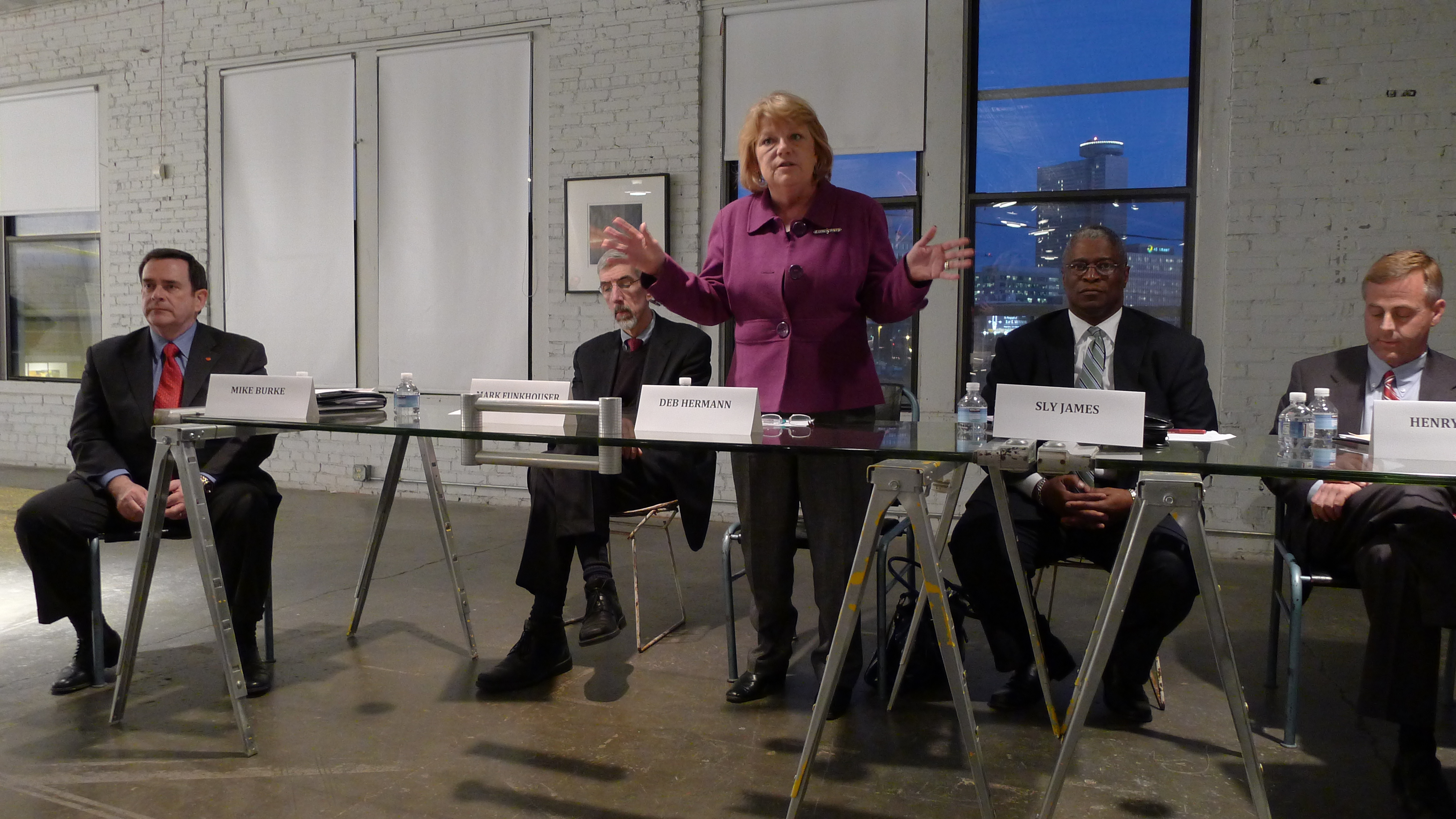
Burke, Funkhouser, Hermann, James and Klein (the Hyatt, background)


Hermann struck the right note immediately by saying: “First, I want to commend you; there’s no way anyone could have envisioned what you have created here.”

She was referring, of course, to the thriving district of restaurants, small and eclectic businesses, lofts and galleries.

Sly James picked up on the theme, saying, “The arts cut across all conceivable lines. It’s one of the things that can be used as a catalyst to bring people together.”

Oddly, Funkhouser didn’t say much about the arts or the Crossroads District in his opening statement, focusing, instead, on his oft-stated contention that city finances are in much better shape than they were when he took office four years ago.

Burke (whom I support and have contributed to) had a big advantage with this group, and he pressed it all night long. For months, a key part of his platform has been to create an Arts Office within the mayor’s office. The office, he said, would explore public funding for the arts and devise a plan to help sustain arts organizations for many years.

Rowland, while he didn’t say anything particularly interesting about the arts in his opening statement, hit on the issue during the course of the evening, saying, at one point, “The arts is a tool to drive economic development.”

Both Rowland and another candidate, Henry Klein, graciously acknowledged, however, that Burke was the front-runner on the arts issue.

Funkhouser, on the other hand, was considerably less deferential, saying: “We don’t need a mayor’s office of this, a mayor’s office of that…We need to integrate them.”
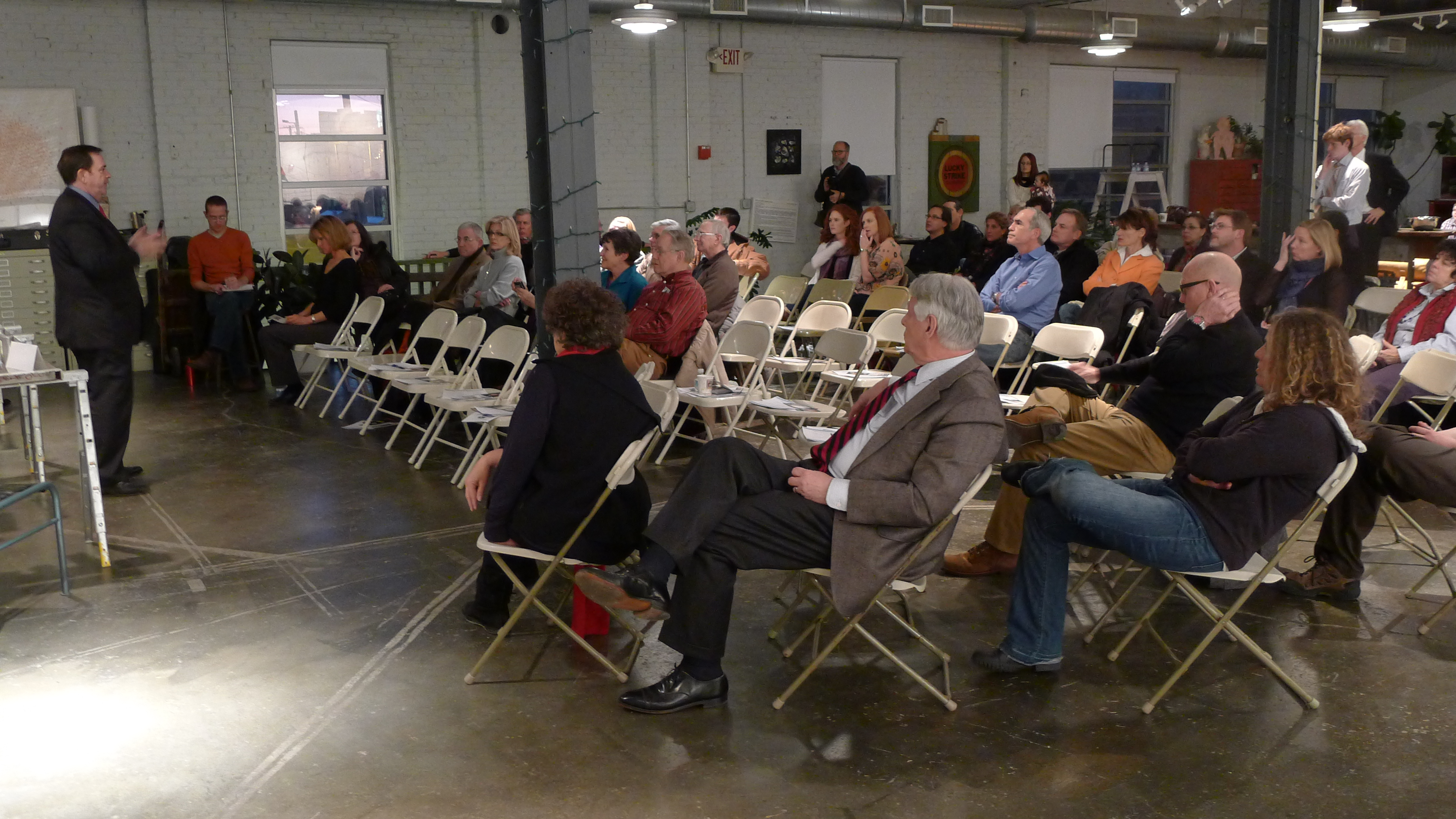
As usual, Funkhouser took more shots than he handed out. The challengers, particularly Herman, Rowland and Burke, have become adept at building themselves up by slapping him down.

Hermann, who is chairman of the council’s Finance and Audit Committee, said, “Of all the candidates up here, I’m the one who knows the budget.”

She said she had led the council to a consensus on the last three budgets “in a thoughtful, dignified manner, with no hair pulling and no gnashing of teeth.” She was alluding, of course, to the hair pulling (not literal) and gnashing of teeth (possibly literal) that Funkhouser’s wife, Gloria Squitiro, caused while working in Funkhouser’s office as a “volunteer.”

Before contrasting himself with Funkhouser, Burke talked about some of Kansas City’s great successes of the past, including Crown Center Redevelopment Corp.’s construction of the Crown Center Hotel and the Crown Center Shops.

“Hallmark built a hotel into a bluff, and it was a masterpiece,” Burke said.

Back then, he said, city leaders heralded Kansas City’s achievements throughout the country, and, partly as a result of that strong promotion, the city became one of the nation’s top convention destinations. (In recent years, it has fallen out of the top tier.)

Burke pledged to take “the Kansas City story” on the road again and concluded by saying, “I want you to be proud of your mayor. I want people to be proud of Kansas City.”

James, who seems to be finding a stronger voice with each passing day, also used Funkhouser’s long shadow to shine a light on himself and his vision of leadership.

“You have to set the example, and they (the council members and others) have to be willing to follow,” James said. “If you can’t bring people together to get something done, then you will get nothing done.”

The primary election is now 10 days away.

Read Full Post »

Perhaps you saw in The Star on Wednesday an item about a 16-year-old youth being charged with involuntary manslaughter in the death of Zach Myers, who died from injuries he suffered in a Dec. 1, head-on collision in Olathe.

That’s the case where I stirred a batch of hot coals after I called Zach’s parents to try to find out what happened that Wednesday morning on North Iowa Street.

Zach

What happened, I discovered through some straightforward reporting, was that the driver of the car was going at least twice the posted 25 mph speed limit when the car he was driving crossed the center line and collided with a car being driven by a 20-year-old woman.

The woman, Ashley Poage of Olathe, apparently edged across the center line about the same time as she maneuvered around a truck that was parked on the street. Poage told police she was traveling about 20 mph.

Poage was out on an errand; the boys were traveling from a vocational school in downtown Olathe to their home school, Olathe Northwest.

Neither Poage nor the two front-seat occupants of the car in which 16-year-old Zach was riding was seriously injured. But Zach, seated behind the driver, suffered a massive head injury and died a day later.

A witness who got to the scene a minute or two after the crash told me that Zach did not have his seat belt on when she got to the car and opened the back door. She said it appeared, from blood stains on the lap portion of the belt, that he might have been wearing the lap portion of the belt but not the shoulder harness, which bore no blood stains. The police report was ambiguous on the seat-belt issue.

Joshua Pena, the driver of the car in which the boys were riding — a borrowed car — told police he was going 50 to 60 mph. The other boy in the front seat told police that shortly before the crash “he looked at the speedometer and noticed that they were traveling 70 mph.”

So, now, Pena is charged not only with involuntary manslaughter but also two counts of reckless battery in the injuries of Poage and the third boy.

The formal “complaint” — the charge sheet — that the Johnson County District Attorney’s office filed on Monday does not reveal any details of the case. It does not mention speed, and it does not reveal the results of blood tests conducted on samples taken from Pena and Poage. The police report on the crash says there was no indication that drugs or alcohol were involved.

This is an incredibly tragic and upsetting case all the way around.

One boy is dead. Another is charged with manslaughter and has to live with the death of his companion. The third boy is either kicking himself for not doing anything to try to slow Pena down, or, if he did try to slow him down, is asking himself if he could have done more. And Poage has to be thinking about how things would have been different if that damn truck hadn’t been in her path or if she had arrived a few seconds earlier or later.

And Zach’s parents, Kimberly and John Myers, and Zach’s brother, John Myers Jr. — as well as grandparents, other relatives and friends — are left with a void that will never be filled or a memory that will never be erased.

My deepest sympathy goes out to all parties involved in the case.

I’m sure the Myerses told Zach about the inherent danger of speeding, how to wear his seat belt and to wear it at all times. (John Myers Sr. is a captain on the Olathe Fire Department.)

But it’s a warning to the rest of us — parents, relatives, friends of young people — to remind youngsters, over and over, to obey the speed limit and to tell them, even demonstrate, how to wear their seat belts properly.

If they try to wave us off, we need to tell them about Zach Myers.

Read Full Post »

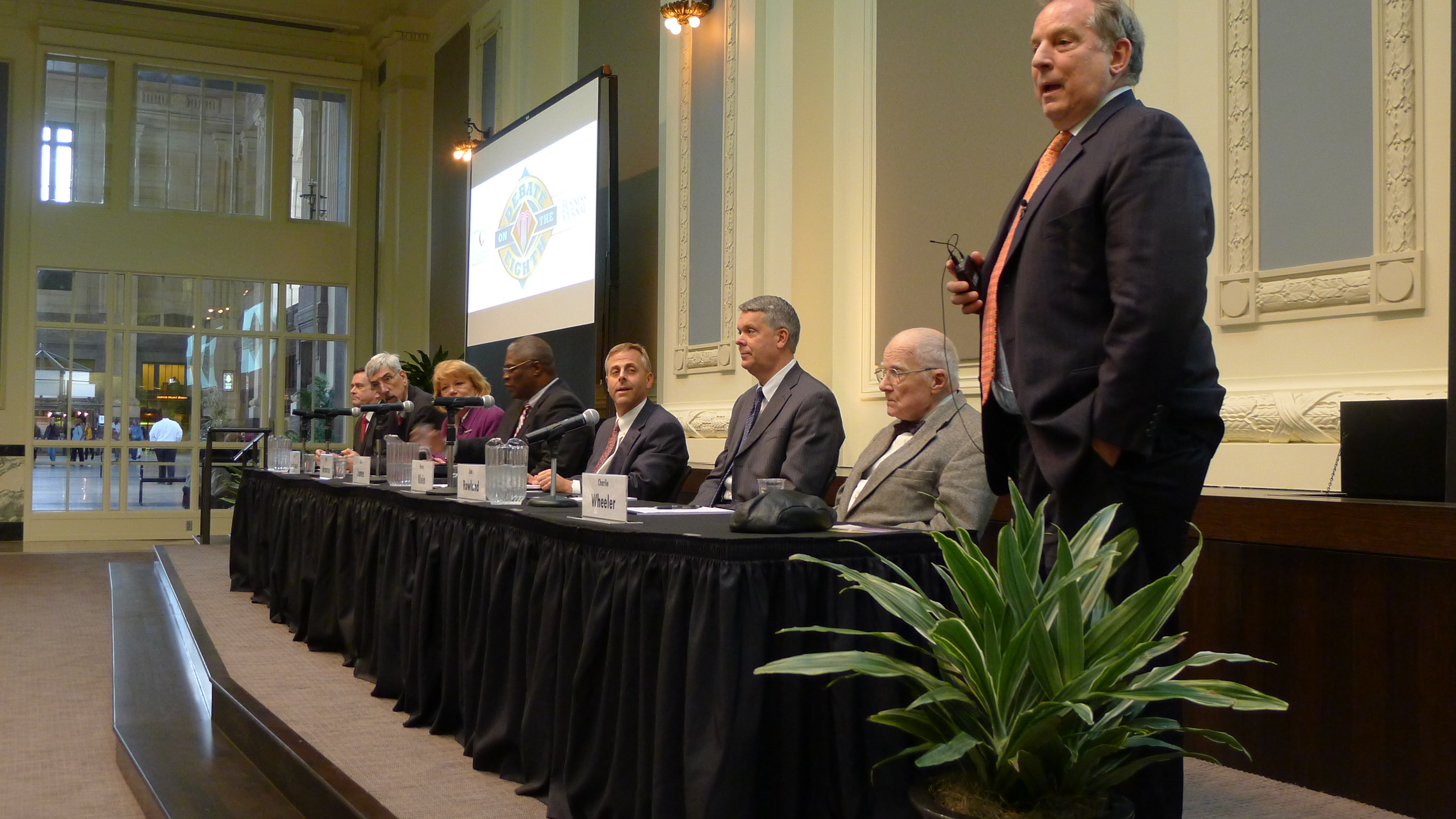
Chamber President Jim Heeter and the mayoral candidates

In the second half of Tuesday’s mayoral doubleheader, the candidates gathered in the Greater Kansas City Chamber of Commerce’s new board room at Union Station.

The space that you might remember as the Harvey House Diner is now the chamber board room, and it was a sparkling, comfortable and well-lighted venue for a give-and-take among the seven mayoral candidates. By my estimate, about 200 people attended the event, which the Kansas City Business Journal co-sponsored.

Here are some of the more notable quotes to come out of the 90-minute session:

Former Mayor Charles B. Wheeler: “I’m running on a platform to end dissension at City Hall. There have been some 12-1 votes (against Mayor Mark Funkhouser) on the council. That’s all right for Abraham Lincoln during the Civil War, but it doesn’t work for Kansas City.”

Deb Hermann: “One of the things that has really, really bothered me the last couple of years is the mood of Kansas Citians about Kansas City. How do we make Kansas Citians believe in Kansas City again?”

“Some people have told me, ‘You’re too serious.’ My answer to that is, ‘There’s a whole lot to be serious about.’ I’m going to stay serious.”

Sly James: “The strength of leadership is not claiming that you’re right and everyone else is wrong. The strength of leadership is bringing people together and charting a path. You take the ego out of it.”

“Until I see a headline that says, ‘Ph.D. shoots master’s candidate at 39th and Troost,’ I’m going to continue to believe that education is the key to long-term reduction of crime.”

Mark Funkhouser: “It took the council two years to agree with me that we needed a professional city manager. Once they did, we began to make great progress.”

“We need a Kansas City Chamber of Commerce in addition to a regional chamber.”

Mike Burke: “We have an arts infrastructure that is second to none. We need to tell that story nationally, internationally and to our own people.”

“I want Kansas City to be a young person’s town. I want to keep them here and make them feel welcome…They are our future; they are the next generation of leaders of Kansas City.”

Jim Rowland: “What’s happening on the east side of our city (in terms of homicides) is inconceivable. We need a mayor who will shine a light and tell this story.”

Henry Klein: “I think the city needs to be run a little more like a corporation, with the city manager as the c.e.o. and the council as the board of directors.”

Brian Kaberline, moderator: “Congratulations, candidates. There’s a lot of running still to be done, but you’ve made it through one more forum.”

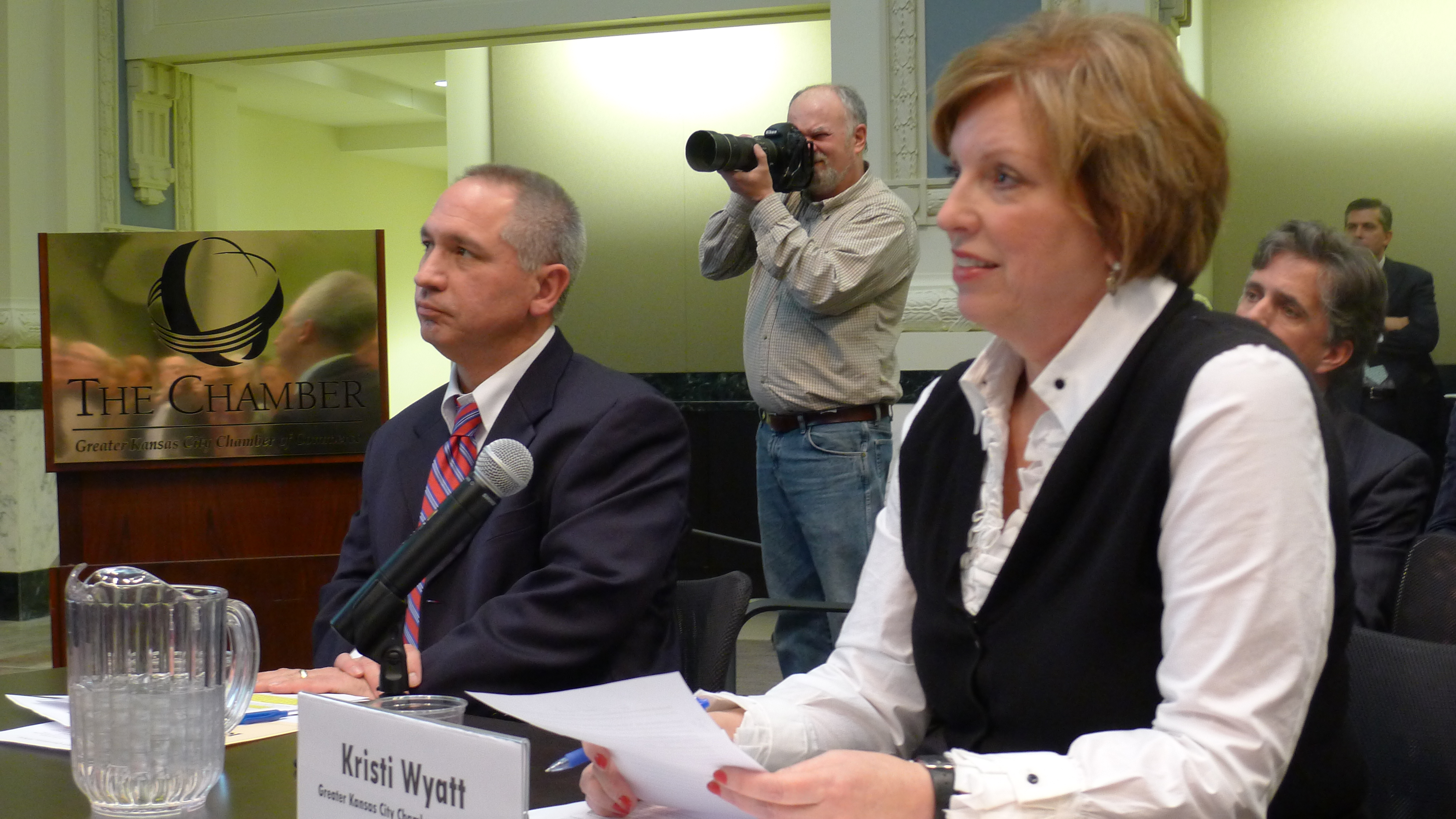
Brian Kaberline of the Business Journal and Kristi Wyatt of the chamber

Read Full Post »

It was a really big shew ( in Ed Sullivan speak).

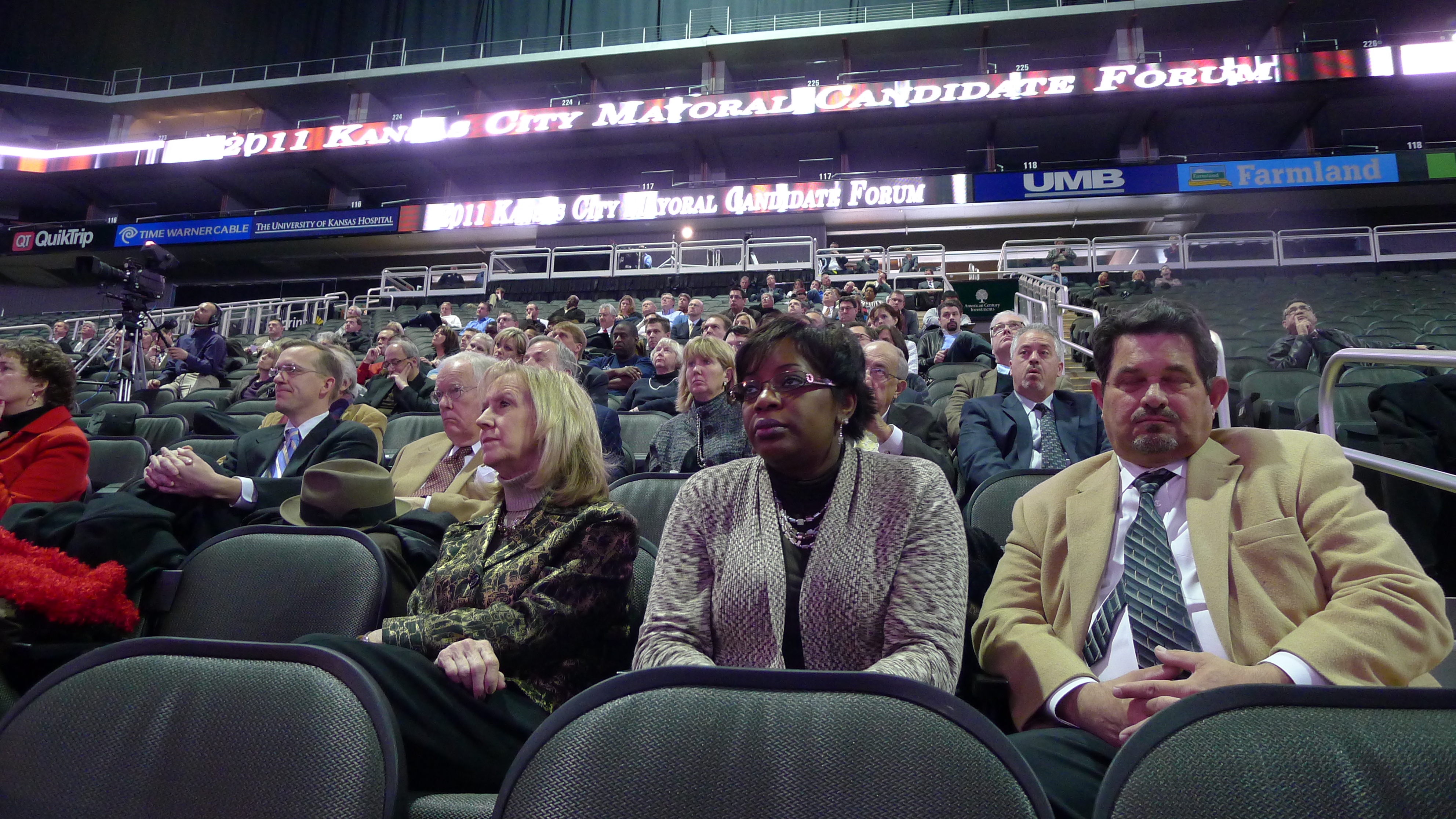
The mayoral candidates — six of them — sat on a stage on the Sprint Center floor this morning, looking up at the audience. Their images were displayed on the video screen above the arena scoreboard, and the LED ribbon on the face of the upper deck said, “2011 Kansas City Mayoral Candidate Forum.”

It would have been nice if 15,000 or so political fans had been in attendance, but the Kansas City Industrial Council, which sponsored the forum, had to settle for a couple of hundred people in Section 117.

Council officials weren’t expecting thousands, but they were ready.

And having the event at Sprint Center was a brilliant stroke, in my opinion. In recent weeks, some of the candidates — Jim Rowland, most notably — have wrung their hands about Kansas City’s direction the last four years, but Sprint Center stands as a credit to our city; it’s one of our recent success stories.

Even without an anchor tenant, Sprint Center is one of the busiest arenas in the nation. Along with the Power & Light District, it has helped resurrect Downtown and keep Kansas City in the hunt as a convention and visitor destination.

For the most part, the people at this morning’s forum were interested in capital improvements and infrastructure issues, such as river levies and the massive sewer-system improvements that Kansas City is launching.

As he has in most of the forums, Roland banged away at Mayor Mark Funkhouser and the current council, saying that a “toxic atmosphere” had settled in at City Hall, preventing the city from moving ahead on any front.

With that line of attack, Roland, a councilman from 1999 to 2006, aims to tar not only Funkhouser but also Councilwoman Deb Hermann, a leading mayoral contender who is completing her second term on the council.

Interestingly, another leading contender, Sly James — whose stock rose considerably over the weekend after he received The Star’s endorsement, along with Mike Burke — came to the defense of the current council, while managing to avoid mentioning Funkhouser specifically.

“I believe our council has worked hard to keep us in the best possible position,” James said. “We have some good people trying to do good things, and they deserve our respect for that.”

James didn’t give the council a complete pass, however, saying that the city seems to be “wandering around from crisis to crisis, putting Band Aids” on its problems, instead of devising a strategic, overall plan of action.

For her part, Hermann got a chance to return fire at Rowland, after Rowland noted that the city had boosted sewer rates by about 15 percent last year and water rates by about 10 percent — and was planning to implement similar rate increases again this year.

Hermann suggested that the current rate increases might not have been so large if the council had not frozen water rates in the year 2000. She didn’t even have to say that Rowland was on the council then; Rowland had told the audience in his opening remarks that he was elected in 1999 and re-elected in 2003.

The third leading contender, Burke (whom I support and have contributed to),  made his mark in the forum by proposing a way to accelerate progress on capital improvements projects.

The city brings in about $70 million a year for capital improvements from a one-cent, voter-approved sales tax. In May of each year, when the council approves the city budget, it also approves the capital improvements expenditures for the coming year.

Burke proposed separating the $70 million in sales-tax, capital improvements projects from the regular budget and approving the capital projects in the fall so that those projects would be ready to go the following spring. As it is, he said, those projects often aren’t ready to get underway until fall or winter, about the time the construction season is winding down for the year.

Read Full Post »

Step aside, Deb Hermann. At least for now.

The Star’s endorsement tonight of Mike Burke and Sly James in the Feb. 22 mayoral primary struck a blow to Hermann, who had rung up some key endorsements in recent weeks.

Even with The Star’s errant endorsement of Mark Funkhouser four years ago — and his subsequent election because of it — this is the best possible endorsement a citywide candidate can have. Better than the Citizens Association (which Burke has), better than Freedom Inc., (which Jim Rowland has), better than the firefighters (whom Funkhouser has), better than the downtown business interests (which Hermann has).

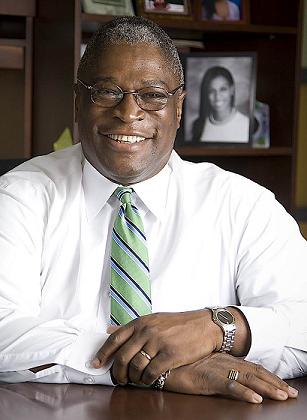
James

James was the first person to declare his candidacy; he raised a lot of money early; and he presents clearly and confidently at candidate forums. Now he’s in an enviable position — a position that Jim Rowland and Deb Hermann would love to be in.

The Star said: “Many Kansas Citians know little about James, a lawyer, partly because he has never sought political office. But as he shows in personal conversations, he would be the kind of impressive, charismatic and knowledgeable mayor Kansas Citians deserve.”

I still say he won’t win and shouldn’t win. In my opinion, to be an effective mayor, there is no substitute for service on the City Council, where, if you want to get something significant done, you have to figure out how to get the votes of six other council members.

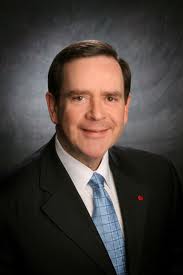
Burke

Burke has been there. He served out an unexpired term in the late 1980s and, although he didn’t seek a full term the next time around, he learned the ropes. Then, he went out and served in leadership positions on just about every significant economic development agency in the city, including the Economic Development Authority and the Port Authority.

On top of that, he founded KC Riverfest, the annual Fourth of July festival at Berkley Riverfront Park.

The Star gave a nice nod to his experience, saying, “Burke…has an extremely accomplished resume…It’s evident he could be a well-rounded mayor working for the good of Kansas City.”

As for his supposed big drawback, being a development attorney, the city hasn’t had any development the last four years. The Great Recession and The Myopic Mayor made sure of that. This is just the time that Kansas City can use a mayor who knows a thing or two about development. This city needs to get back on track, for God’s sake!

So, bring it on. The race is coming into clearer focus.

If you want to see the mayoral candidates in action, here are the forums (that I know of) that are taking place this week:

10 a.m., Tuesday, Feb. 8, Kansas City Industrial Council, Sprint Center.

4:30 to 6 p.m., Tuesday, Feb 8, Kansas City Business Journal/Greater Kansas City Chamber of Commerce. RSVP at http://www2.bizjournals.com/kansascity/event/40321

11:30 a.m. to 1 p.m., Wednesday, Feb. 9, Downtowners, Town Pavilion, 1111 Main.

7 to 9 p.m., Thursday, Feb. 10, League of Women Voters, 10842 McGee.

5:30 p.m., Friday, Feb. 11, Crossroads Community Association, 122 Southwest Blvd., Second Floor.

Read Full Post »

Wednesday was a big day for journalism…I think.

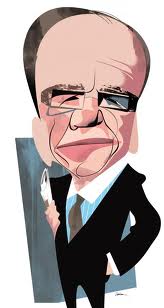
News Corp.’s Rupert Murdoch and Eddy Cue, Apple’s vice president of Internet services, rolled out “The Daily,” the first news application written and designed specifically for the iPad.

Let me make that clear: This is an online “newspaper” — consisting of six sections a day — written and produced exclusively for the iPad. It’s not copy and photos generated by Murdoch’s Fox News, Wall Street Journal, New York Post or The Times of London (he owns them all) and repackaged for the application. No, it’s original content channeled directly to subscribers.

The subscription price is 99 cents a week, $40 per year, or — as Murdoch put it — “14 cents a day.” The first two weeks of The Daily will be free through a sponsorship arrangement with Verizon.

Among The Daily’s features are 360-degree photos, video clips and interactive timelines.

“Simply put,” said Murdoch, “the iPad demands that we completely reinterpret our craft.”

FoxNews.com said that News Corp. officials have been tight lipped about such things as how many subscribers The Daily will need to be considered a success, how many people have been hired to produce the content and how much money News Corp. has spent to develop the service.

So, what to make of this newfangled news product?

The New York Times, in an online story Wednesday, said Murdoch was aiming to “put his News Corporation front and center in the digital newsstand of the near future.”

My favorite journalistic blogger, Alan D. Mutter of Reflections of a Newsosaur, said The Daily “could be a captivating hit, a spectacular miss or something in between.”

“But one thing is sure,” Mutter said. “Rupert Murdoch, the last swashbuckling publisher of our time, will shake up the media world” with The Daily.

(Footnote: Today (Thursday), Mutter posted another blog entry saying The Daily’s debut was a flop. )

Murdoch and Cue unveiled The Daily at the Guggenheim Museum in Manhattan, where Murdoch told an audience of reporters, employees and advertising partners, “There’s room for a fresh and robust voice” in the tablet era.

The target audience, said The Times, is “a generation of consumers who did not read national newspapers or watch television news, but did consume media.”

A News Corp. official said The Daily would produce up to 100 pages a day. While it will come out once a day, he said, the editors would be able to “break into the app at any time” to add breaking news stories.

In his post, published Monday, Mutter outlined several key factors in why The Daily might succeed…and why it might fail.

On the up side, he said, it can pull from the resources of all the Murdoch properties; it can be marketed on all those properties “every hour of every day, around the world and around the clock”; and it will have the full weight of the Murdoch financial empire behind it.

“With $33 billion in sales and $5.7 billion in operating profit, News Corp. is well positioned to subsidize the Daily for as long as Mr. Murdoch cares to pursue the project,” Mutter said.

On the down side, Mutter cited the fact that it’s not free; widespread competition from many well-established news brands; the finite market potential of the iPad; and what he called “the chasm challenge.”

Regarding the market potential, Mutter estimated that there would be about 40 million iPads in the hands of consumers by the end of this year. If 2 percent of those users subscribed to The Daily, he said, the project could generate about $40 million a year in subscriptions alone. But if only .5 percent of iPad users signed up, the project would bring in only $10 million in subscription sales, perhaps not enough to be viable.

Explaining “the chasm challenge,” Mutter said The Daily “will have to cross the chasm of anonymity and consumer indifference in order to amass the critical number of readers it needs to generate adequate subscription and advertising revenues.”

“The longer The Daily takes to break even, the more expensive the venture will be for News Corp.,” Mutter said. “While the 79-year-old Mr. Murdoch likely is prepared to underwrite many millions in losses, his patience and lifespan are not inexhaustible.”

My opinion? I don’t know what to say. I don’t have an iPad and don’t intend to get one anytime soon. I’m still yoked to the print product, although I’ve learned to navigate the electronic pathways, too.

One thing I will not do is dismiss the Murdoch initiative as folly. Shortly after I started this blog last year, I reprinted a speech that Arthur Ochs (Punch) Sulzberger, former publisher of The New York Times, made in Kansas City in May 1994. In that speech, he dismissed the fledgling Internet as so much folderol.

Here’s an excerpt from that speech:

“It is my contention that newspapers are here to stay. They are not going the way of the dinosaur – rendered extinct, in this case, by the wonders of a new technology that will speed us down an interactive information superhighway of communications.

“I’ll go one further. I believe that for a long time to come this information superhighway, far from resembling a modern interstate, will more likely approach a roadway in India: chaotic, crowded and swarming with cows. Or, as one might say, udder confusion.”

Ha, ha, Punch. Very funny…No, I won’t be making any jokes about The Daily.

Read Full Post »

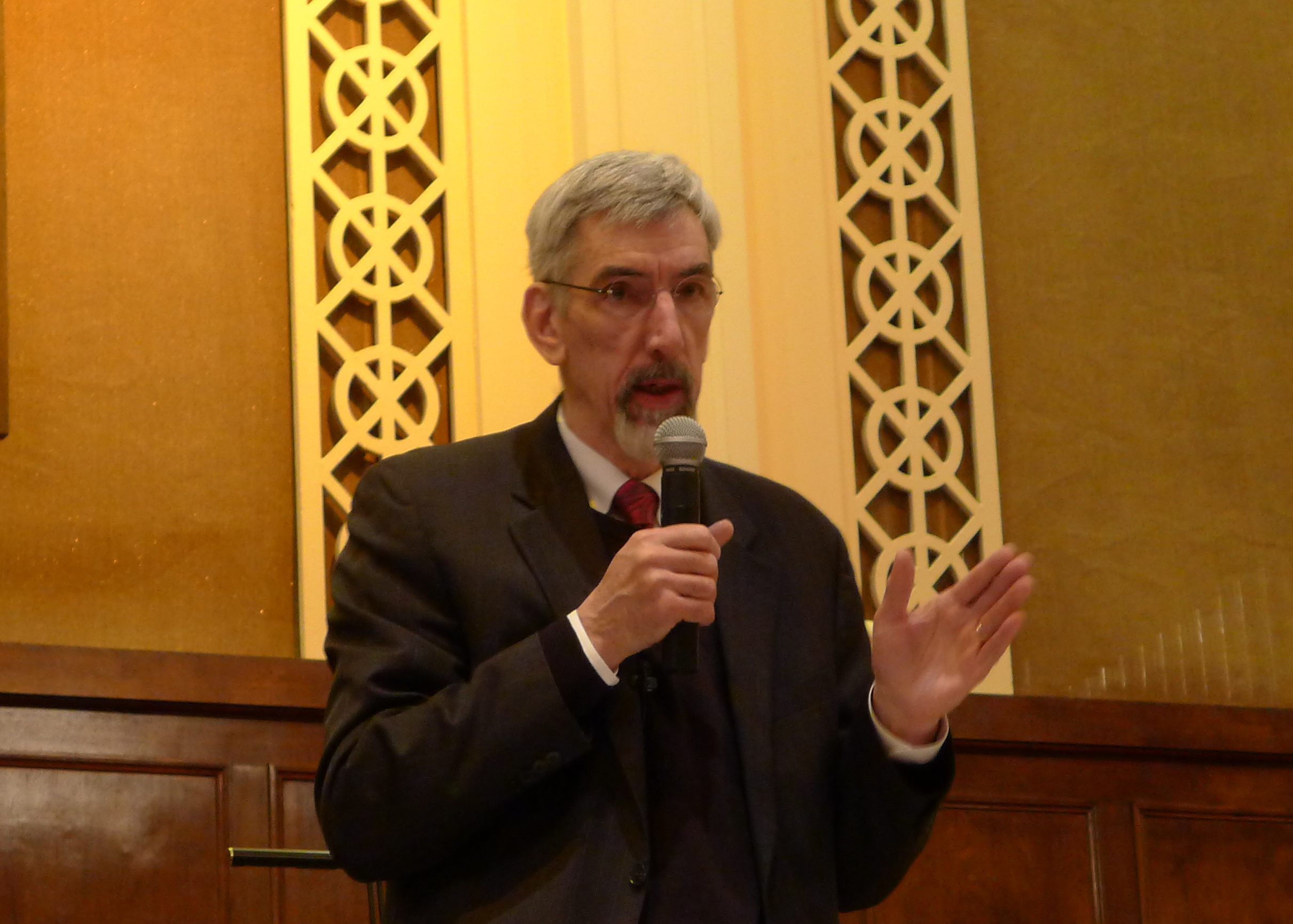
In two recent New York Times columns, Arthur Brisbane, whose journalistic ribs were tempered in Kansas City, has some good advice for news outlets that are hell bent on being first with The Big Story.

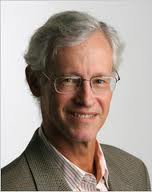
Brisbane

Brisbane, who served two stints at The Kansas City Star — one as a columnist and later as editor and then publisher — is now The Times’ “public editor.” In that capacity, one of his duties is to comment when he thinks The Times excels and when he thinks it falls short.

In Op-Ed columns on Jan. 16 and last Sunday, Jan. 30, Brisbane put the magnifying glass to The Times’ coverage of the Tucson shootings that left six people dead and several others, including U.S. Rep. Gabrielle Giffords, seriously injured. His conclusion, essentially, was that The Times should have been content to provide the most authoritative coverage of the tragedy instead of trying also to be among the first outlets to report breaking developments.

What fed Brisbane’s reflection was a major reporting snafu the day of the shootings.

For about 10 minutes that day, Jan. 8, The Times reported in its online story that Giffords was dead. In going with that, The Times was relying on reports from NPR and CNN, not its own reporters, who were not yet on the scene.

Brisbane described how the ignominious error occurred:

“It was hectic in the newsroom with many news reports flowing in as Kathleen McElroy, the day Web news editor, was trying to decide whether The Times was ready to report Giffords’ death. She decided against it and was telling Web producers to hold off reporting it in a news alert when J. David Goodman, who was writing the story, told her he had a few changes he wanted to make.

“Ms. McElroy said, ‘I should have looked at every change,’ but she thought Mr. Goodman was referring to small stuff. Mr. Goodman…erred by reporting Representative Giffords’ death in the lead as though The Times itself were standing behind the information. In any event, Ms. McElroy had said O.K. without seeing that change, so Mr. Goodman pushed the button.”

Now, let me interject here that for Goodman to tell his editor he had “a few changes to make,” without telling her that one of the changes was that Giffords was reportedly dead (if, in fact, that’s what Goodman told McElroy) is unbelievable. If I had been writing that story and heard or read a report that Giffords had died, I would have been yelling so loud that passersby on the street outside would have heard me.

At any rate, the result for The Times, Brisbane said, was a news story “with changes that were not edited.”

Which is also inexcusable.

Philip B. Corbett, The Times’ “standards editor” (he’s in charge of corrections, among other things), told Brisbane, “Everything should go through an editor. Ideally, it should go through two editors.”

In the rush these days to get the story “up” as soon as possible, however, the copy-review process — even at a great paper like The Times — sometimes  gets truncated. (And haven’t we all experienced, perhaps only on the basis of e-mails, how easy it is to “push the button” before we’ve thought everything through and are sure that our electronic message will come across as we intended it?)

Just as the pitfalls of casual correspondence have gotten deeper for everyone, for journalists the rush to be first has made the reporting and publishing process significantly more problematic.

As Brisbane said in concluding his Jan. 16 column: “Whether covering the basic facts of a breaking story or identifying more complex themes, the takeaway is that time is often the enemy. Sometimes the best weapon against it is to ignore it, and use a moment to consider the alternatives.”

The italics are mine because I think what Brisbane said is so important for today’s journalists.

On Sunday, Brisbane returned to the same theme in a column titled “Speed and Credibility.”

Noting the incredible volume of digital news, Brisbane said that news organizations, like The Times, that built their reputations on being authoritative are now being forced to reconsider how much of their reputations they should lay on the line in the name of being first with the news.

For Brisbane, the call isn’t too difficult.

“Put me down as a skeptic,” he wrote. “It’s understandable, given the gung-ho mentality that journalists adopt, to want to blow right by the choice (between what is known and what is uncertain) — to try to be both first and most credible. But for The Times, which arguably brings the top-rated brand for authoritativeness to this battlefront, the approach is fraught with danger.”

Everyone he talked to, he concluded, agreed that it was “always better to be second and right than first and wrong.”

Now there are words that should be displayed above the doors of every newsroom in the country.

Read Full Post »

Kansas City’s mayoral candidates went eastward Saturday, and not all received a warm reception.

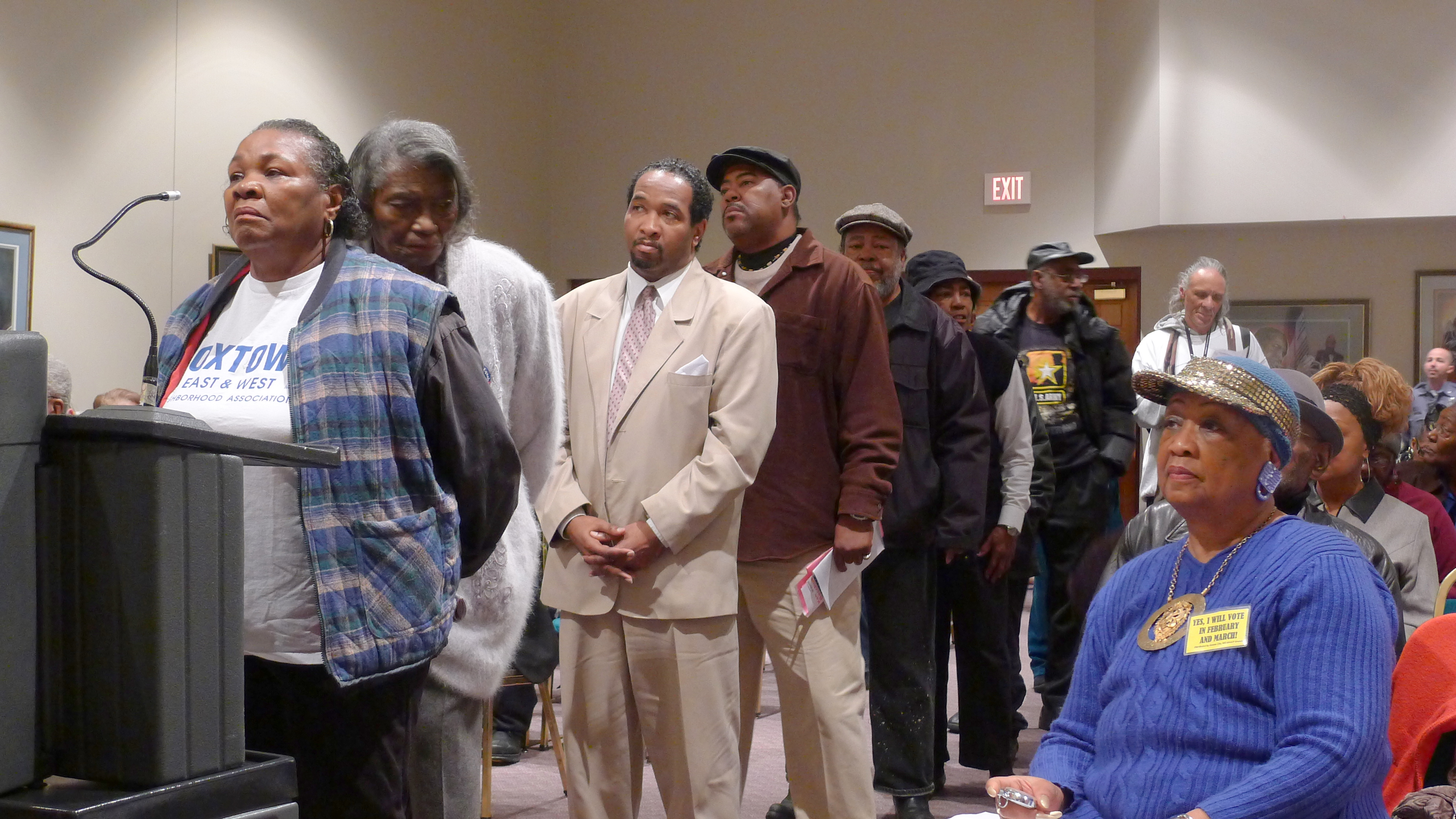
In fact, two of the candidates, Mayor Mark Funkhouser and Councilwoman Deb Hermann, got a downright chilly response. The forum drew a crowd of about 100 people at the Bruce R. Watkins Cultural Center on Blue Parkway.

The candidates on hand, besides Funkhouser and Hermann, were Mike Burke, Jim Rowland, Sly James and Charles B. Wheeler. Henry Klein was absent.

Funkhouser, Rowland, Burke, James (standing), Hermann and Wheeler

Under the rules of the forum, sponsored by The Call newspaper, people in the audience had a chance to question the candidates directly. When that part of the program arrived, about 10 people quickly lined up behind the microphone.

One questioner put this question to Funkhouser:

“Why is it we should give you a second term?”

Funkhouser said he had initiated several programs in the 3rd and 5th council districts, including his Schools First program, which aims to improve curbs and sidewalks around public schools. In addition, he said, “I’ve been in the community over and over.”

His explanation drew no applause or expressions of approval from the audience.

People queued up to ask questions of the mayoral candidates

Another person told Hermann he had never seen her in the inner city. “I’m sorry if that’s your perception,” she said. “But that’s not the case.”

Like Funkhouser, Hermann got very little, if any, positive response from the audience throughout the event.

Another candidate who got roughed up a bit was Rowland, who has secured the endorsement of Freedom Inc., the city’s major black political organization.

After Rowland bragged that $180 million of the $700 million Sports Complex improvement project had gone to women- and minority-owned businesses, Eric Wesson, an event moderator who is news editor of The Call, challenged him, saying he didn’t think the minority role was as significant as Rowland depicted it.

The audience’s lack of embrace for Funkhouser, Burke, Rowland and Hermann could indicate that each will have a problem getting a significant number of votes from black residents. Funkhouser has never been popular with black voters; Burke and Hermann hail from the Northland; and Rowland lives in the 4th District, in western Kansas City.

Burke got a spot of good news earlier in the day, however, when six black ministers, including Wallace S. Hartsfield and Wallace S. Hartsfield II, endorsed him. A Burke for Mayor press release quoted Hartsfield II as saying: “Mike Burke is the only mayoral candidate that backs up his words of inclusiveness with real actions. We feel that he is truly committed to working with our communities, fighting to have our voices heard and represented in city government.”

The only candidate who received anything close to a warm reception at the forum was Sly James, who is the only black mayoral candidate. He drew applause a few times, including once when he countered a moderator’s assertion that the City Council had no direct role in the quality of education in the Kansas City School District.

“The district is not under the direct jurisdiction of the city,” James said, “but we certainly have a moral obligation and citizen obligation to address education.”

Nevertheless, James, a lawyer, has his work cut out for him on the East Side, partly because he doesn’t live there and partly because he didn’t get Freedom’s endorsement. Also, this is his first run for public office, while all of the other candidates have run for or held public office before.

It appears at this point that the vote in the black wards could be very dispersed in the Feb. 22 primary. That would hurt Rowland and help Hermann, whose popularity in the Northland might give her the single largest voting block.

Burke expects to do well in all parts of the city, but he has no single area that he can count on for great numbers of votes.

And, so, with three weeks remaining in the campaign, here’s how it is shaping up:

Klein and Wheeler are out of it. No chance. Funkhouser is fading fast, as the other candidates have started to use him for the punching bag that he is. James sounds good but has no record to back up his words. Rowland comes off as knowledgeable but antiseptic, seldom connecting with his audience.

That leaves the two Northlanders — Hermann and Burke — as the favorites, at least in my book. Hermann comes across as genuine, unpretentious and level-headed. Burke, although hardly charismatic, is as solid as a rock and has built up a trove of goodwill citywide, partly through his service on just about every economic-development agency that operates in the city.

They are the best candidates, and, for the future of Kansas City, let’s hope they are the top two finishers on Feb. 22.

Read Full Post »

Money and pain

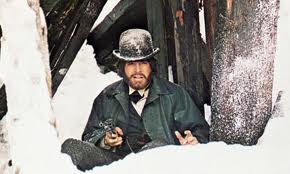
One of my favorite movie lines comes from a 1971 classic, “McCabe and Mrs. Miller,” in which Warren Beatty plays an enterprising but bumbling whore-house owner in the Wild West. He falls in love with the madam, Julie Christie, but runs into all manner of problems. At one point, speaking of women, he mumbles to himself, “Money and pain. Pain and money…Money…Pain.”

Beatty/McCabe

Funk/Funk

Given the legal developments of the last week or so, that would be a suitable refrain for Mayor Mark Funkhouser and other City Council members, including mayoral candidate Deb Hermann.

Join me, then, in taking a closer look at that story and two others — one a local story that became national and one out of Chicago.

:: The tidal wave of money going out of City Hall because of legal setbacks. Translation: Bad news for incumbents.

The front page of today’s Kansas City Star — the lead story, in fact — tells most of the ugly story. In the last four days, courts have awarded more than $5 million to two former employees who were wrongfully terminated and to a judicial candidate who was on a panel that the City Council improperly rejected in 2006.

On Thursday, a Jackson County Circuit Court jury awarded more than $2.6 million to two former budget analysts — 63-year-old Jordan Griffin and 54-year-old Colleen Low — who claimed the city discriminated against them when it laid them off in 2009. Part of the problem for the city was that Griffin and Low were laid off by now-acting City Manager Troy Schulte after Schulte told them they wouldn’t be laid off.

That verdict came on the heels of a Tuesday decision by the Missouri Supreme Court upholding a damage award of nearly $3 million to former municipal judge candidate Melissa Howard. Howard contended that the City Council unfairly denied her consideration for a judgeship in 2006 because she was white. (Interestingly, the council, after twice throwing out the all-white panel of three candidates, ended up appointing a white woman to the post.)

City Hall reporter Lynn Horsley wrote in her story that the Supreme Court ruling “sent shock waves through City Hall,” partly because employees worried that the ruling might adversely affect their wages.

I mentioned that Horsley’s report told most of the story. For some reason — perhaps because she’s not the sort to pile on — she omitted the City Council’s approval last week of a $125,000 settlement with a former aide to Mayor Mark Funkhouser. Funkhouser fired the aide, Shawn Pierce, because Pierce sided with another mayoral employee, Ruth Bates, who also sued the city successfully.  The city had to shell out $550,000 to Bates, a black woman who alleged she was harassed and discriminated against by Funkhouser’s wife, Gloria Squitiro. That’s $675,000 in city funds paid out because of Gloria’s totally unprofessional bearing.

How will all this play out in the current city elections? Hard to say, but today’s big, front-page headline certainly has to be more than a pinprick for incumbent council members seeking re-election. Two of seven candidates in the mayor’s race are incumbents — Funkhouser, who was elected in 2007 — before the Howard matter came up — and Hermann, who is completing her second term on the council.

In fairness to Hermann, she voted against the motion to reject the Howard panel. Her hands are clean on that matter, but the problem is that, to some degree, she’ll be seen by some city residents as having been painted with the same broad brush.

On balance, this is probably another major setback for Funkhouser, a medium to mild setback for Hermann and a bonus for the other three top mayoral candidates — Mike Burke, Jim Rowland and Sly James.

:: The uplifting story of Gil Meche. He made the front page of Thursday’s The New York Times.

NYT writer Tyler Kepner brought to the attention of readers nationwide the remarkable story of Meche, who decided to retire because of a lingering shoulder injury rather than hang on and collect $12 million for the last season of his contract.

Kepner quoted Meche as saying: “When I signed my contract, my main goal was to earn it. Once I started to realize I wasn’t earning my money, I felt bad. I was making a crazy amount of money for not even pitching. Honestly I didn’t feel like I deserved it. I didn’t want to have those feelings again.”

Inspiring, isn’t it? Someone who values self-respect over cash? It’s a great lesson for young people.

On a personal note, when Meche made his last start last season (I don’t remember what month it was), I stood up in the stands and booed loudly at one point, as he got shelled by opposing batters. What I didn’t realize was that Meche was pitching in pain; he couldn’t perform up to his capabilities. I apologize, Gil.

:: Unflappable Rahm Emanuel: The force that will not be denied.

At the end of a topsy-turvy week, the former chief of staff to President Barack Obama is securely on the ballot in the Chicago mayor’s race. Candidates for mayor are required to have resided in Chicago for at least a year before Election Day. Emanuel left the White House last fall, but Emanuel argued that he was still a Chicago resident because he owned a house, paid taxes and voted there.

On Monday, the Illinois Appellate Court ruled that Emanuel did not qualify, saying he had to physically live in the city. On Thursday, the state Supreme Court overturned that ruling, putting Emanuel back on the ballot once and for all.

What was perhaps most amazing about this story was how Emanuel appeared to maintain total equanimity during the turbulent days.

“Throughout the challenges to Mr. Emanuel’s candidacy,” Monica Davey wrote in today’s New York Times,” he had confidently asserted that he would be allowed to run, and had proceeded with routine campaign events as if there was no crisis.”

Davey went on to report that “moments after the ruling was issued late thursday,” Mr. Emanuel was shaking hands with voters at a downtown “L” train stop, where many had yet to hear the outcome, and asked what had happened.”

I guess that after the pressure cooker of the White House, a little dust-up with the top Illinois courts is not something that will not easily rattle a guy.

Read Full Post »

The issues of conventions (can Kansas City be competitive?) and development (where’s it gone?) took center stage tonight at a mayoral forum sponsored by the American Institute of Architects of Kansas City.

More than 100 people attended the forum at the AIA’s comfortable, cutting-edge space at 1801 McGee. Those in attendance sat in black, hard-back chairs under a wide, red, runway-type ceiling. The five mayoral candidates who participated sat at a table in the front of the room, against a red wall that presents as a vertical extension of the ceiling.

The candidates took turns answering questions put to them by Kevin Collison, The Star’s development writer.

Participating candidates were Jim Rowland, Henry Klein, Sly James, Mayor Mark Funkhouser and Mike Burke.

An AIA official said Deb Hermann had informed the group that she would arrive late, but she failed to show. Later, she said she had attended a long-scheduled campaign event at a home in the Brookside area. “You can’t just hit everything,” Hermann said, referring to the many mayoral events.

The seventh mayoral candidate, Charles B. Wheeler, said later when reached at home that he didn’t know about the forum. The AIA official said she had either e-mailed or called the Wheeler campaign but had not heard back. “That’s possible,” Wheeler said, adding that he was enjoying a Laurel and Hardy movie on TV.

Wheeler and Hermann missed a good show. The discussion was energetic, for the most part, and sometimes intense.

Is the party over?

For example, on the issue of a proposed $300-million-plus convention hotel, Funkhouser essentially wrote Kansas City off as a major convention destination. “We do not need this hotel,” he said forcefully. “…This is a huge (financial) risk. We are probably not going to be a high-end, national convention city…This is a bad, bad idea.”

In surveys and elsewhere, he said, few city residents cite a convention hotel as a high priority.

Sitting to Funkhouser’s left and answering after Funkhouser, Burke, a former Convention & Visitors Bureau board member, took a sharply contrasting position. Convention business is critical to the city, he said, and the need for a downtown convention hotel is great.

At the same time, he said, “we cannot put the city’s general fund at risk.”

Klein said he was “very skeptical” about the feasibility of a convention hotel and pointed to the bankruptcy of a downtown hotel in St. Louis (apparently a Sheraton property that failed last September) as good reason to be skeptical.

Rowland urged patience, saying “a process is in place” that probably would determine whether the city should provide significant financial incentives and backing for such a project. He was referring to a steering committee that has been studying the issue and could make a recommendation to the City Council as soon as March.

Like Burke, James said the city needed a new convention hotel but that it should not come at the expense of a lower bond rating for the city or increased debt level. (As a practical matter, there’s virtually no way the city would be able to provide significant financial backing without taking on new debt.)

Earlier in the forum, Collison asked the candidates to rate, on an A-to-F scale, how the city was doing in recent years in terms of “development and investment activity.”

Starting off, Burke handed out a grade of “D,” citing the “collapse” of the Plaza’s West Edge project and the loss of the Wizards soccer team (going to KCK) as evidence of significant slippage. He offered optimism, however, saying “we’re coming out of this recession” and that the city needs to take advantage of the improved situation.

Funkhouser gave a grade of “C” and said the city had lost thousands and thousands of middle- and upper-income residents in recent years to the suburbs. A turnaround, he said, will hinge on “slow, organic growth.”

Like Burke, James issued a grade of “D,” and Klein, while he took his full quotient of time, didn’t give a specific grade. He said, among other things, that incentives the city handed out in earlier years (presumably for projects like the Power & Light District) might have created the illusion that things were significantly better back then.

Rowland gave the city the lowest grade — ”D-minus, at best” — charging that Funkhouser and the council had established “an environment that is toxic for development and business.”

“There are too many road blocks, too many barriers, too much red tape,” he said. Later, answering a related question, he said: “I would change fundamentally the tone at City Hall.”

The evening had its funny moments. At one point, for example, Rowland found himself agreeing with Funkhouser on an issue, after having agreed with him on another issue minutes earlier.

“This is twice,” he said, “and I’m not going to do it again.”

The last question of the evening — from an audience member named Tiffany Miller — made all of the candidates, except Burke, squirm. As a prelude to her question, which had to do with a HUD home-repair program, Miller said she had e-mailed her question to each of the candidates, using e-mail addresses on their web sites. Burke was the only candidate to respond, she said.

The candidates — except Burke, who was smiling contentedly — scrambled to come up with reasons why they had either missed the e-mail or failed to respond.

Funkhouser covered himself by saying he had spoken with Miller about the issue in the past. James said Miller’s e-mail was in a queue of 200 or 300 messages that he hadn’t read yet.

Then came Rowland with a real head-scratcher.

“I haven’t been home or slept the last 48 hours,” he said.

That was greeted with tittering from the audience.

Minutes later, after the forum had ended, I asked Miller what she thought about Rowland’s explanation.

“Yeah, my dog ate it,” she said.

Read Full Post »

« Newer Posts - Older Posts »